Search Inventory

Ketton House

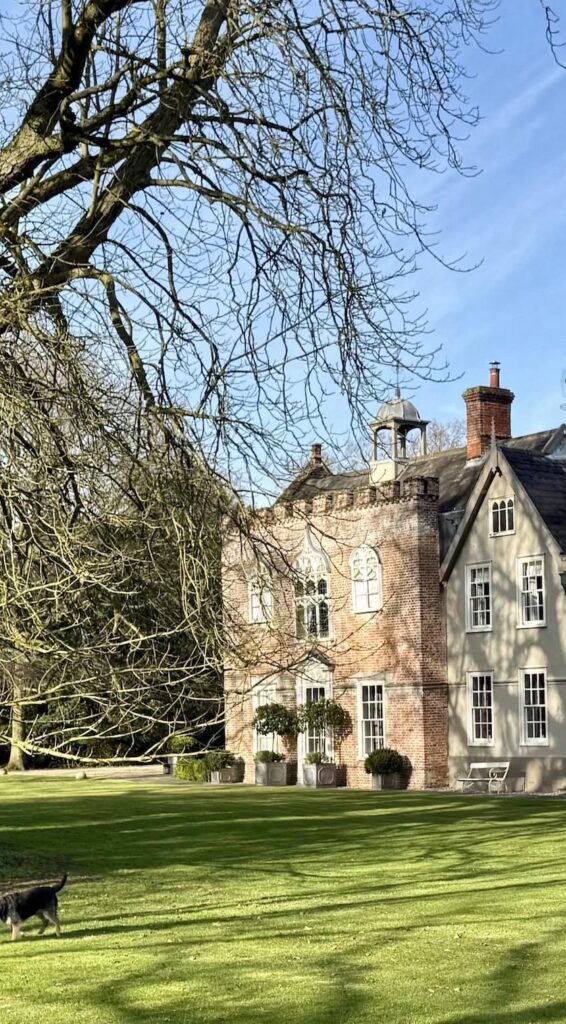
Formerly Kedington Rectory, early-eighteenth century Ketton House stands remote from the church, perhaps on a more ancient site. In 1833 a road diversion allowed more space for the pleasure grounds and to plant trees for privacy. The site included a small L-shaped park and gardens, with stables away from the house to the south beside an eighteenth century barn. An unusual ancient well is close to the house. Detached from the site was the walled kitchen garden. There have been few changes to the general layout of the site, although much of the parkland has been converted to pleasure grounds. The stables, barn and walled garden are now residential properties in separate ownership.
Not open to the public

Ketton House Read More »

Kedington Parish

Kelsale Court

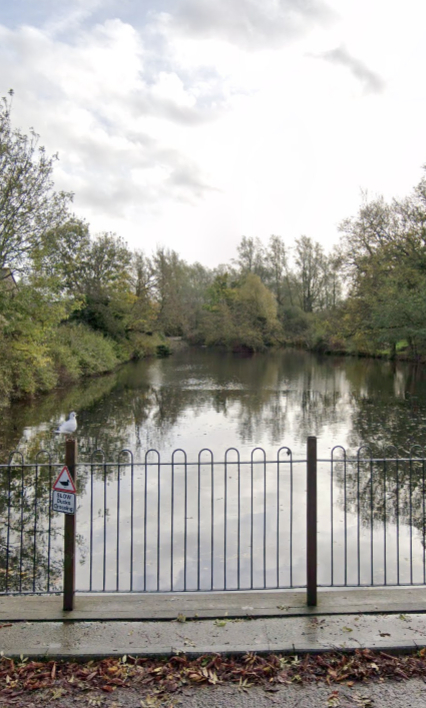
Externally little-changed from when it was built as a rectory c. 1810 for the Revd Lancelot Brown, grandson of Lancelot ‘Capability’ Brown, Kelsale Court had a small area of parkland developed in the early-nineteenth century, lawns, orchard and large walled garden with the River Fromus running through the grounds. In the twentieth century the parkland became the village recreation ground and the walled garden and most of the lawns were lost to housing, although the nineteenth century route of a path between the house and the unusual late-nineteenth century lych gate survives between the houses. The house is now a private residence and stands within a small area of gardens dotted with specimen trees of various ages, some from the nineteenth century.
Not open to the public

Kelsale Court Read More »

Kelsale cum Carlton Parish

Barham Hall

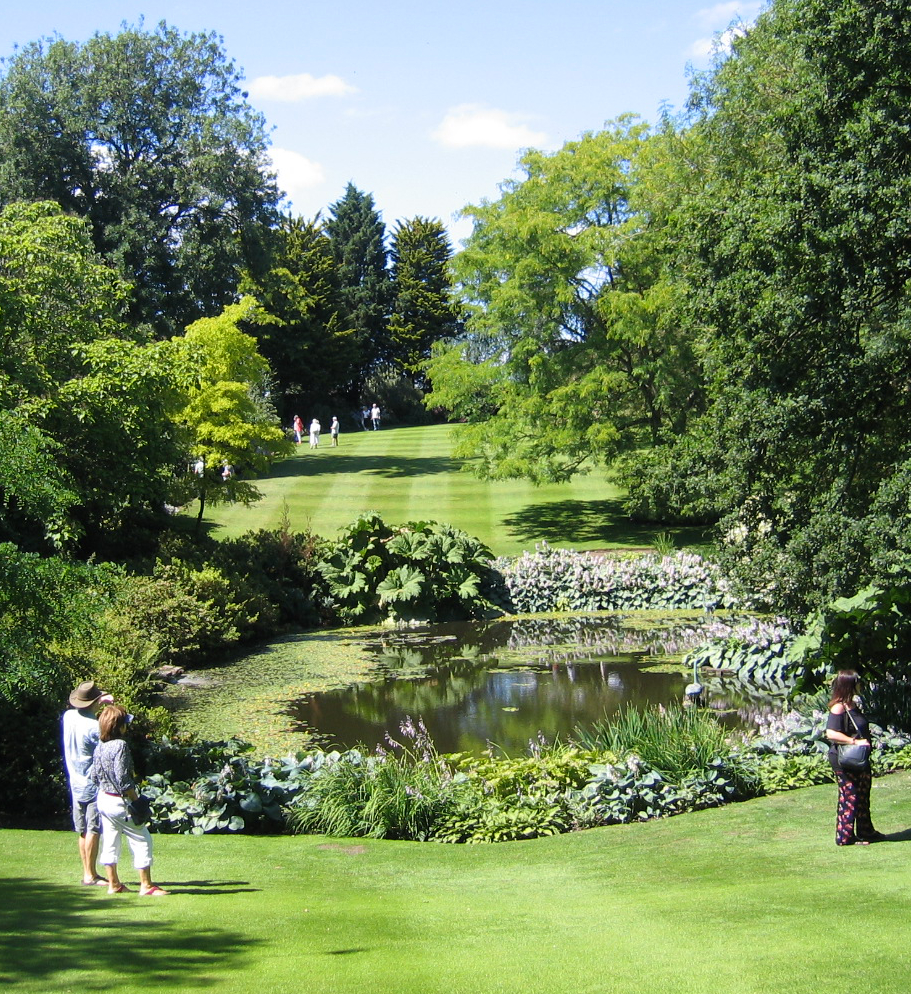
Part of the boundary wall and a blocked gateway remain from a moated mansion that was replaced in the mid-nineteenth century by the present house. It sits on a valley side with garden terrace around the house and the gardens have developed over time within the small valley to include a lake with fountain, terraced lawns, rill, dramatic flight of steps down an escarpment, rose arbour and mature planting.
Not open to the public except on specific days for charity

Barham Hall Read More »

Barham Parish

Acton Hall

A surviving moat, once the site of the manor house for Acton, becoming a farmhouse in the mid-fifteenth century. The house was replaced in the late-nineteenth century, new farm buildings added and an avenue lined the approach to the site – probably of an earlier date – that was replanted during the twentieth century. Now the site of a farmhouse.
Not open to the public.

Acton Hall Read More »

Acton Parish

Balston Hall

A surviving moated complex, believed to have been used as an intensively managed food production centre suggestive of a fish farm, possibly originally for the monastery at Bury St Edmunds and by the early-seventeenth century for Melford Hall. Now the site of a farmhouse.
Not open to the public

Balston Hall Read More »

Acton Parish

Yaxley Hall

Sixteenth century Yaxley Hall was probably built near the site of an earlier moated house, with parts of the moat incorporated into its wooded pleasure gardens. Enlarged in the eighteenth century, it had a small park with an avenue of trees on its central axis. The site included a dove house, summerhouse and surviving nineteenth century folly gazebo. Much of the building was destroyed in a fire in 1923. It became home to the architect Sir Basil Spence during the 1970s, who built the surviving garden gazebo. By the beginning of the twenty-first century the parkland had been lost to arable and two new houses, the Hall restored and the gardens maintained, including a mound of unknown origin known as Beacon Hill in woodland to the north.
Not open to the public

Yaxley Hall Read More »

Yaxley Parish

Acton Place

The site of an early-eighteenth century mansion designed by James Gibbs with landscape park, pleasure grounds, canal and partly-walled kitchen garden. The mansion was mostly demolished in the first half of the nineteenth century, leaving a pavilion and outbuildings converted to form a house, with new pleasure grounds created at the time. In the early-twentieth century much of the park was turned to arable. In 1961 the house and gardens were demolished and it is now the site of a business park. Remains of the canal survive at its entrance.
Site of a business park

Acton Place Read More »

Acton Parish