Search Inventory

Badley Hall and Badley Walk

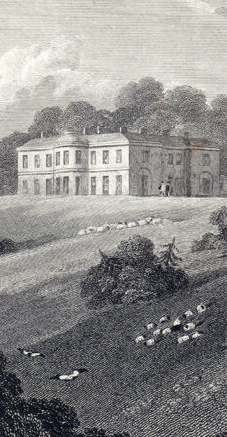
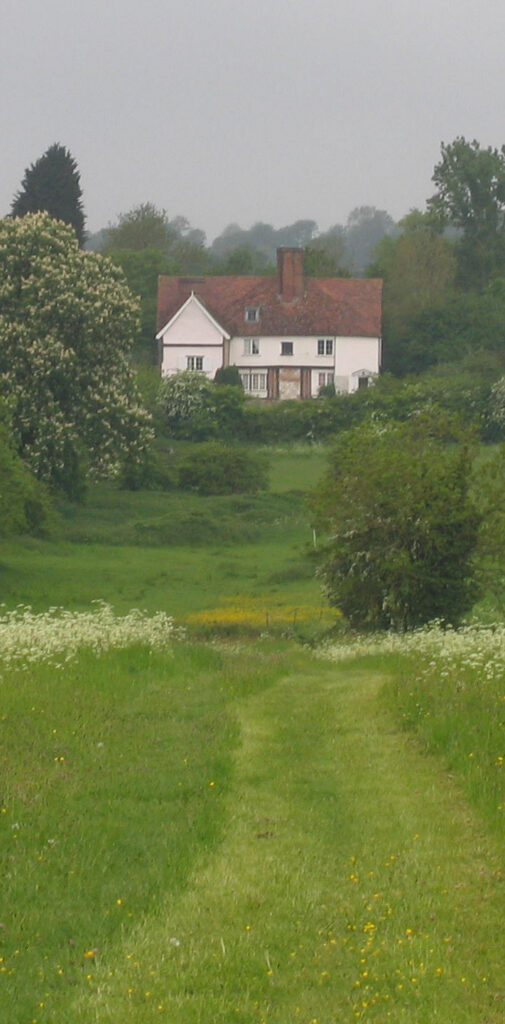
Formally a manor house and large early-sixteenth century mansion with courtyard plan, much of Badley Hall had been lost to storm or demolition by the middle of the eighteenth century to become a tenanted farm. It forms part of a settlement cluster with the parish church. The site also includes a sixteenth century dovecote, barn and bakehouse. A grand approach avenue, probably contemporary with the house, once connected the original eastern entrance front of the house to the Needham Market to Stowmarket road. Known as Badley Walk, the western section of the avenue has been replaced by hedges and the eastern end overgrown with trees and shrub, although the greenward survives and along the whole length of the approach there is a public footpath. Another avenue on the same axis to the west of the house is shown on an eighteenth century estate map. The ghost of garden enclosures surrounding the house survive and an ornamental garden canal, now in a degraded state, lies at right-angles to the house and flanks it to the south-west side.
House is not open to the public. Badley Walk is a public footpath.

Badley Hall and Badley Walk Read More »

Badley Parish

Brettenham Hall and Park

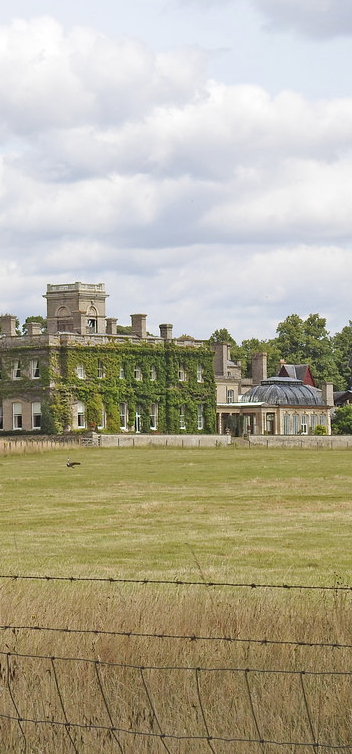
Now known as Old Buckenham Hall School, Brettenham Hall was built in the early-seventeenth century, possibly on the site of an earlier manor house, perhaps with a large associated park that was further developed in the late-eighteenth century and influenced by the work of Lancelot ‘Capability’ Brown at Branches Park. The pleasure gardens, house, yards and kite-shaped walled garden lay within a lozenge-shaped enclosure, partly separated from the parkland by ha-has. The house was extensively altered during the early-nineteenth century. The park has reduced in size since it became a school in the mid-twentieth century when a number of new school building were added, parkland has become playing fields and some areas converted to arable. The walled garden and part of the nineteenth pleasure gardens survive and the park includes lodges, a late-nineteenth century model farm and avenue of oaks flanking the main entrance drive.
Not open to the general public

Brettenham Hall and Park Read More »

Brettenham Parish

Fasbourn Hall

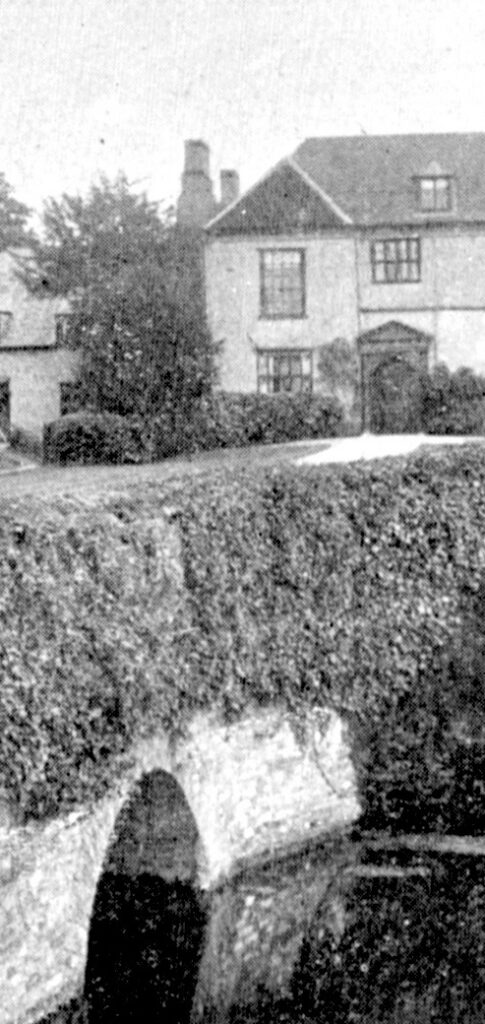
Fasbourn Hall, originally part of a larger moated manor house, dates from the early-seventeenth century but with substantial nineteenth century alterations. It lies remote from Buxhall village and appears to have once had an attached deer park. By the early-nineteenth century it had become a farmhouse. Two arms of the moat survive that became ornamental canal-like features around this time. A viewing mount lies beside one of the arms of the moat suggestive of an early date associated with the deer park. Attached to the house is a nineteenth century glasshouse and section of seventeenth or eighteenth century garden wall of a similar date to the bridge that crosses the southern-most canal. The farming estate was broken up during the twentieth century and the house plus c. 10ha (25a) of land became a B&B plus glamping site. By 2026 the house appears to have closed for business.
Not open to the public

Fasbourn Hall Read More »

Buxhall Parish

Blundeston Hall

Blundeston Hall lies west of a rectangular moat that is believed to be the site of an ancient manor house. It is unclear when the present house was originally built, although it is known to have been in existence from at least the early-nineteenth century when it was described as having a ‘weird and gloomy appearance’ when Charles Dickens visited the village and the house is possibly the fictional birthplace of David Copperfield. The Blundeston Hall Estate was broken up in the early-twentieth century, the house and its small area of gardens that included the moat were sold as one lot. Afterwards the house was substantially restored. The moat site, although overgrown with trees and shrubs, continues to be part of the gardens of Blundeston Hall.
Not open to the public

Blundeston Hall Read More »

Blundeston Parish

Upland Hall

With commanding views of the River Waveney, the boundary between Norfolk and Suffolk, early-nineteenth century Upland Hall lies south of Bungay and was altered and extended in the middle of the century. It originally had partly-walled gardens attached to the house and a square walled kitchen garden and farmhouse close by, surrounded by belts of trees and a small landscape park. During the twentieth century it changed owners on a number of occasions. Today some of the parkland has been converted to arable and belts of trees extended to frame the view of the valley. The walls around the pleasure gardens and most around the kitchen garden appear to have gone to be replaced by hedges. The farmhouse is now in separate ownership.
Not open to the public

Upland Hall Read More »

Bungay Town

Grove Park

Lying west of the village, late-eighteenth century Grove Park mansion was built on the site of an earlier house and remains substantially unchanged since that time. It stands in a landscape park developed when the house was built but reduced in size over the following centuries. It was designed in the fashionable ‘naturalistic’ style with shelterbelt of trees and parkland dotted with freestanding trees. It appears not to have had designed entrance lodges and once had two drives that converged at the front of the house, although when the parkland substantially reduced in size in the twentieth century the southern drive was lost. A late-eighteenth or early-nineteenth icehouse in a shelterbelt has survived but is now overgrown and in a decayed state. A large eighteenth century walled garden and range of late-nineteenth century lean-to glasshouses survive that was a productive kitchen garden until very recently. The pleasure gardens were always compact and lay west of the house.
Not open to the public

Grove Park Read More »

Yoxford Parish

Groton House

Groton House was a large early-eighteenth century house incorporating a much earlier core. It had a small park that was extended by 1885, when the drive was moved so it curved around an extended garden area, its boundary an earthen bank and ditch, or ha-ha. Within the parkland is the surviving Pitches (Pytches) Mount, a large Norman ring motte that was once surrounded by a ditch. Groton House had a large walled garden attached to the rear. In 1981 much of the house burnt down and was rebuilt to a much-reduced size. Around the same time two new houses were built within the original gardens and the parkland was divided between the three properties. The area of the walled garden is still within the grounds of Groton House, although it is unknown if it survives.
Not open to the public

Groton House Read More »

Groton Parish

Chadacre Hall

Early-nineteenth century Chadacre Hall sits on high ground with views across the Chad Brook and almost centrally in its landscape park, which is known to have eighteenth century origins and expanded during the late 1700s and in the nineteenth century. The house replaced an earlier manor house on a different site close to the brook. Estate plans show the earlier house to have had walled enclosures, ornamental canals and formal gardens. During the nineteenth century the brook was developed into a sinuous lake with islands and boathouses. Lodges were built at all three entrances into the landscape park, but not all survive. For a time in the twentieth century the house and parkland was used as an agricultural institution, although it reverted to a private residence at the end of that century. Today the parkland has reduced from its nineteenth century heyday, but still retains its lake. Terraced gardens have developed between the house and the walled enclosures, which have been substantially restored, although the canals have been filled-in.
Not open to the public

Chadacre Hall Read More »

Shimpling Parish

Dalham Hall and Park

Dalham Hall is an early-eighteenth century manor house built by Simon Patrick the Bishop of Ely close to the parish church. It sits within the remains of early formal walled gardens with terraces and walkways, possibly created pre-1700. The surrounding designed landscape park of open grassland is dotted with freestanding trees and enclosed by beech woodlands and was in existence by 1716. The parkland originally had a formal layout with avenues of trees, ornamental canals and wide areas of parkland in a cruciform-shape surrounded by woods. It was later expanded and altered in the nineteenth century in the more natural ‘landscape’ style. Today it is at the heart of a horse racing estate owned by Sheikh Mohammed bin Rashid Al Maktoum, Ruler of Dubai and Prime Minister of the United Arab Emirates.
Not open to the public

Dalham Hall and Park Read More »

Dalham Parish

Great Bevills

Overlooking the River Stour, the boundary between Essex and Suffolk, Great Bevills was originally built as a manor house in the fifteenth century by the Waldegrave family of nearby Smallbridge Hall. The Great Bevills Estate changed hands in the first half of the eighteenth century and became a farmhouse. Over the centuries the house was extended on numerous occasions. At the end of the nineteenth century the estate was bought by the Probart family who substantially restored the house, planted a number of woods on previous farmland and created Italianate-style gardens with terraces, ponds and formal planting close to the house.
Not open to the public except on certain days for charity and organised group visits

Great Bevills Read More »

Bures St Mary Parish